How to Organize Your Day As A Solopreneur Doing Everything Alone

By 9am you've answered a client message, packaged an order, checked your bank balance, and started three different to-do lists in your head. You haven't sat down to actually work yet.
And you already feel behind.
You're Not Disorganized, You're Switching Jobs Five Times Before Lunch
Look at what you actually did this morning. You were a customer service rep answering that message. Then a warehouse worker packaging the order. Then a bookkeeper checking the account. Then a strategist trying to plan the week.
That's four different jobs before your first coffee is finished.
In a normal workplace, those would be four different people. You are all four. Nobody handed you a schedule that accounts for this, you just started doing it, because there was no one else to hand it to.
So when your day feels scattered, that's not a character flaw. It's what happens when one person is doing the work of a small team, with no transition built in between any of it.
You didn't fail to plan your day well. You planned a day for one job, and then lived a day with five.
What It Actually Costs to Jump Between Roles All Day
Every time you switch from one role to another, your brain doesn't switch instantly. It drags part of the last task with it.
You're mid-invoice, and a DM comes in about a product question. You answer it. You come back to the invoice, but now you're re-reading numbers you already understood ten minutes ago, because your attention had to leave and come back.
That gap has a name: the focus tax. It's the mental cost of restarting, over and over, every time you cross from one role into another.
You don't feel it as one big expense. You feel it as a slow leak, a day that was full of activity but somehow produced less than it should have.
By 3pm, you're not tired because you didn't work hard enough. You're tired because you paid the focus tax a dozen times before lunch, and nobody told you that cost existed.
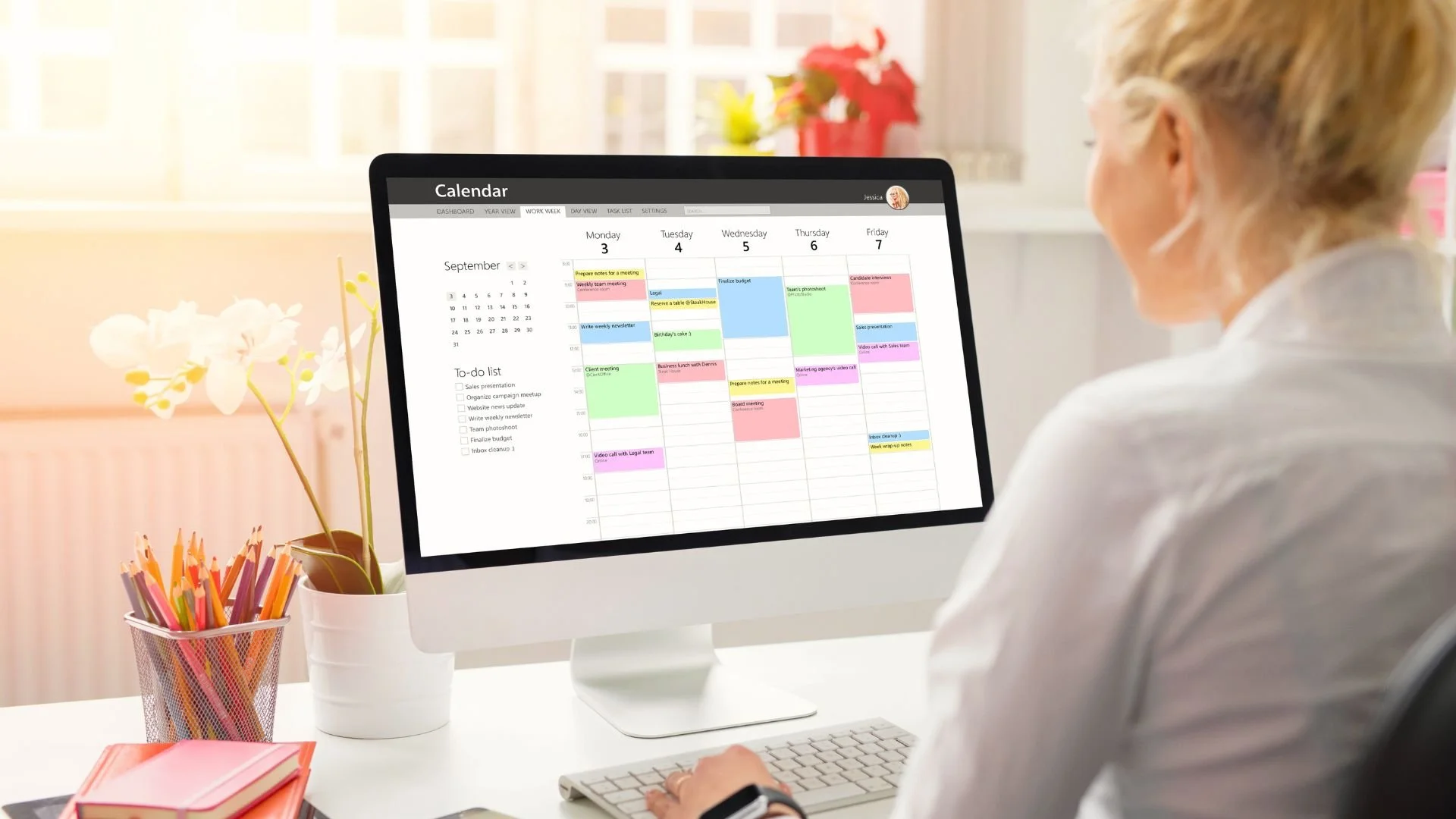
Why To-Do Lists Don't Fix This
You've probably tried the planner. The app. The color-coded list. And for a few days, it worked, until it didn't.
Here's why: a to-do list organizes what needs to happen. It says nothing about which version of you needs to be doing it.
"Reply to emails," "package orders," "review numbers," and "plan next month" can all sit on the same list, in the same order, as if they cost the same thing. They don't. Each one asks something different of your attention, and jumping between them is exactly what's draining you, no matter how neatly the list is written.
A better list doesn't fix a structural problem. It just makes the same problem look tidier.
The Difference Between a Task List and a Role Map
Here's the shift: you don't need to organize your tasks. You need to organize your roles.
A task list asks, "What do I need to do today?" A role map asks, "Which job am I doing right now, and what does that job need from me?"
When you group your day by role instead of by task, you stop asking your brain to become five different people in random order. You become one person, working through one role at a time, in a sequence that actually holds.
You don't need to do less. You need fewer hats at once.

What Grouping Your Day by Role Looks Like
In practice, this means blocks, not by hour, but by role.
A morning block for client care: messages, questions, support. A midday block for fulfillment: orders, shipping, the physical side of the business. A block for admin: invoices, numbers, the accounts. A block, even a short one, for the strategist role, the thinking work that keeps getting pushed aside because everything else feels louder.
You're still doing all of it. But you're doing it as one role at a time, instead of bouncing between all five every hour.
The difference isn't in how much you get done. It's in how much of your attention survives the day.
You Don't Need to Do Less, You Need Fewer Hats at Once
None of this means you're doing something wrong. It means you've been running five roles inside one calendar built for one job, and nobody warned you that would cost you this much focus.
You don't need more discipline to fix this. You need your day organized around who you're being at each moment, not just what's due.
This is what The Flow Kit™ is built for, organizing your time, tasks, files, and workflow around the roles you're actually playing, so you're not switching hats every ten minutes without realizing it. Not one more system to maintain. Fewer hat-changes, built in from the start.
If today felt scattered, it wasn't because you're bad at this. It's because no one ever showed you the actual cost of doing it all yourself, until now.
Start Here
If your time, tasks, files, and workflow feel scattered - The Flow Kit™ gives you the first structure that actually holds. Built for the one running her business alone and ready to stop surviving it.